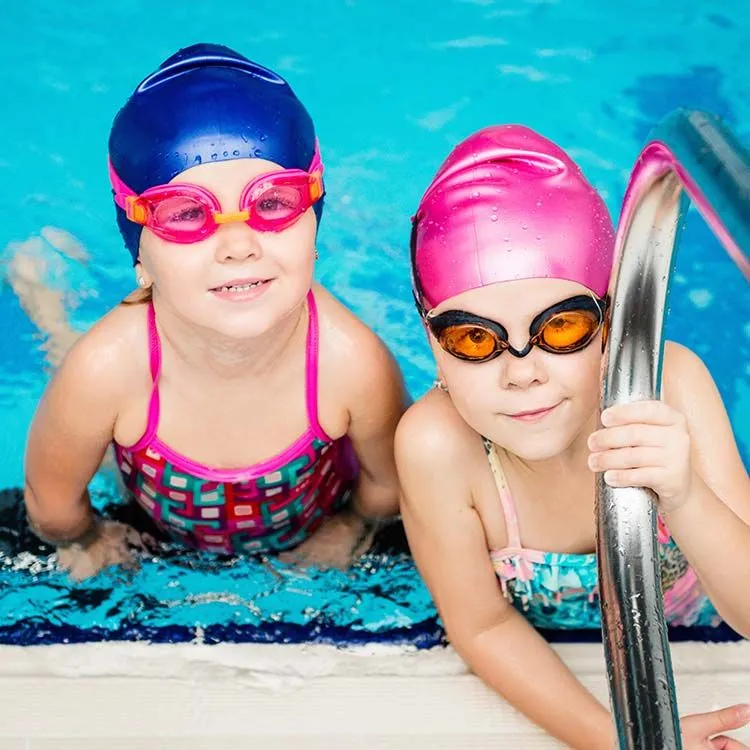
Often it is best for adults learning to swim to do so in group or private classes.Often it is best for adults learning to swim to do so in group or private classes.
According to the Centers for Disease Control and Prevention, an estimated 37% of adults cannot swim the length of a recreational pool. Adults—including those who are able to swim—make up more than 70% of drowning deaths in the U.S. each year, according to the CDC.
Adults may have skipped the whole swim thing as they were growing up for many reasons. Maybe there was no access to a pool locally. Maybe it wasn’t an activity their parents felt was necessary. Maybe their parents felt that the best way to keep their child safe is to stay away from the water. Maybe they instilled their own fear of the water into their children. Maybe the adults had an incident in the water that terrified them. Teaching late learners tends to take longer and requires different techniques than those used with children.
Adults can be impatient, especially when they need to learn core swimming skills that they do not feel is “swimming”. Floating, breathing, forming aquatic lines and kicking are all composite skills that lead to the next step they are looking to minimally achieve. And when they are learning these core skills, adults can also feel embarrassed, especially as the 5 year-old in the next class is swimming past them. Often it is best for adults learning to swim to do so in group or private classes that are taught in the off hours where tiny eyes are not looking at them.
Why is it so important for adults to learn? Here are a few reasons:
When looking for adult swimming lessons, make sure that the program offers instructors who have experience working with adults of all abilities. This includes adults who are afraid of the water. Talk to other adults who have taken lessons. Are they happy with their progress? How long did it take for them to swim independently with confidence? How much did it cost? How many other adults were in the class? Does the program have availability in the off-hours to fit your needs? Will you be swimming with teens or with other adults?
These are just some of the questions to consider when selecting a program to fit your needs.
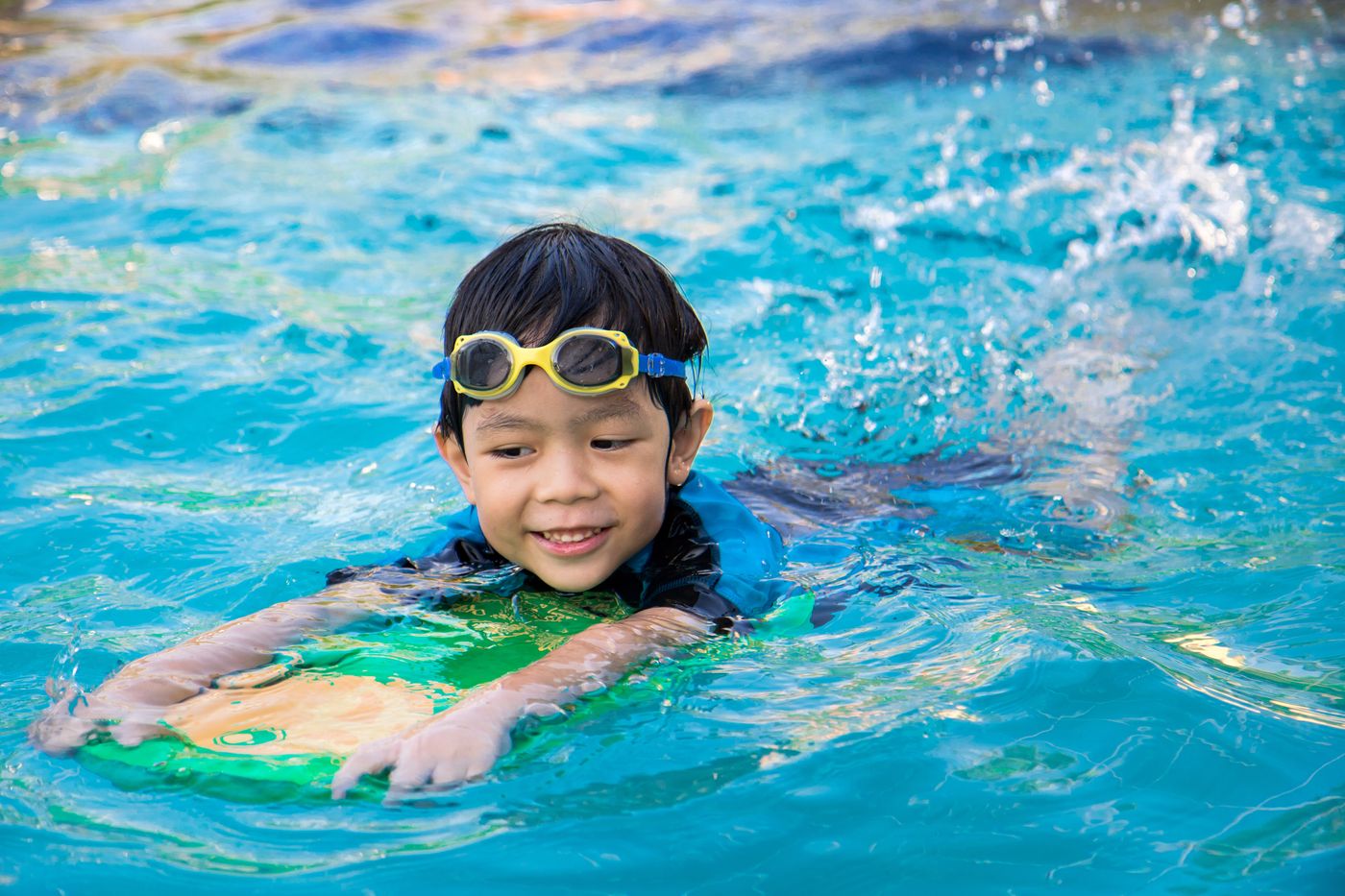
Children of all ages should take swimming lessons.
Swimming is an exciting and fun activity for you and your little stars, but in a flash it can turn lethal if you don’t educate and supervise them whenever they are in or around the water.
As a parent there are many protection and precaution plans you can take to make water game a fun and safe activity for you and your family. Though we can’t avoid the essence of protection and precaution, the most important thing that really makes a great sense for Water Safety is enough education and strong supervision.
Careful Supervision Is Paramount.
Education Is The First Step.
With the help of credible swimming lessons and a few “rules of the water”, you can prevent drowning and other accidents and make swimming a fun and safe activity! Happy swimming!
Swimming is fun when children feel confident in the water!
Swimming is the most loved but demanding summer activity by all age groups. Just like many other activities, swimming also has a downside. It is called drowning! Every year in the US, 4,000 people die because of they do not know water safety or how to swim at all. According to the World Health Organization (WHO), drowning is the 3rd leading cause of unintentional death worldwide, and it is 5th overall in the US. This is scary!
The best thing you can do to prevent drowning is to learn about water safety. We have compiled a list that you and your family should seriously follow:
To understand these water safety tips more practically, you should consider taking swimming classes. If you are looking for swimming classes for you or your children in NY, you can make use of internet. Try to find the most suitable swimming schools using advice we have published here. The water is a fun and healthy environment for you and your children, as long as you respect the dangers as well.
Swim lessons are important for everyone no matter what age or level they are at.
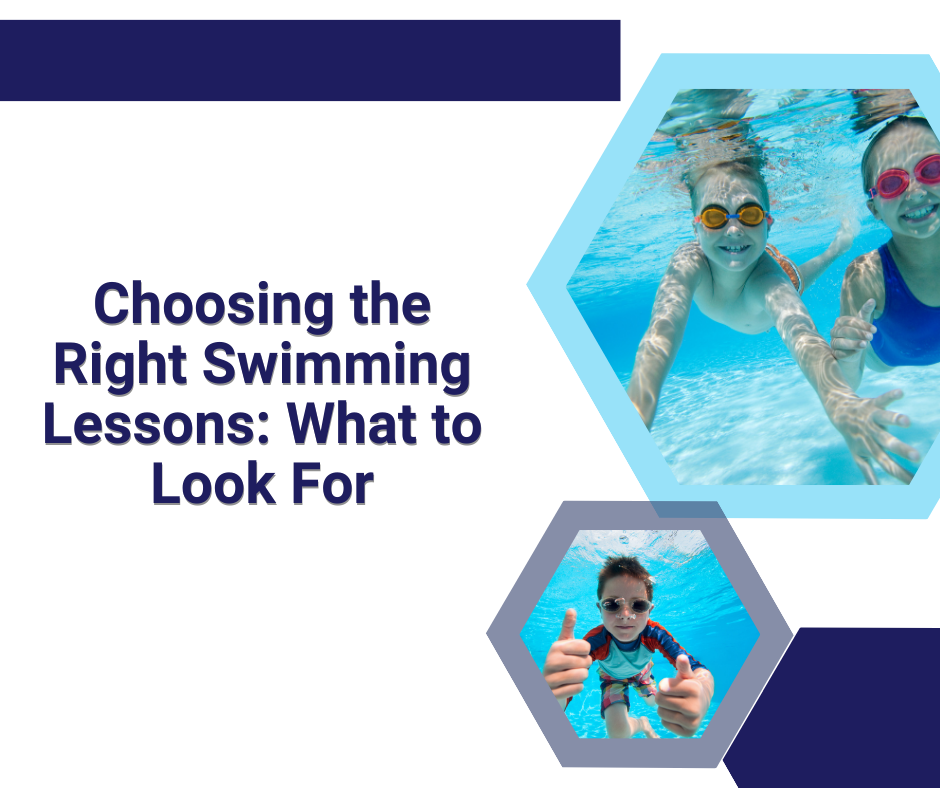
When you are looking for swimming lessons, there are many factors to consider to help you choose the right program. Here, we have assembled some of the important factors to help you determine what is best for your children and for yourself.
After reading the above, you now have some insight into things that you may not have considered when you decided to look for swimming lessons. Do your research and ask questions before you take the leap. Ask friends who have had their own children in lessons. Price is far from the deciding factor.
Prevent drowning with swim lessons
Every day, about ten people die from unintentional drowning. Of these, two are children aged 14 or younger. Drowning ranks fifth among the leading causes of unintentional injury death in the United States.
According to the CDC, factors such as access to swimming pools, the desire or lack of desire to learn how to swim, and choosing water-related recreational activities may contribute to the racial differences in drowning rates. Note that available rates are based on population, not on participation. If rates could be determined by actual participation in water-related activities, the disparity in minorities’ drowning rates compared to whites would be much greater!!!!!!!
With these facts in mind, it seems ever more important to find a good program for you and your children to take swimming lessons such as those provided by Hudson Valley Swim.
Start infants with swimming lessons as young as six months.
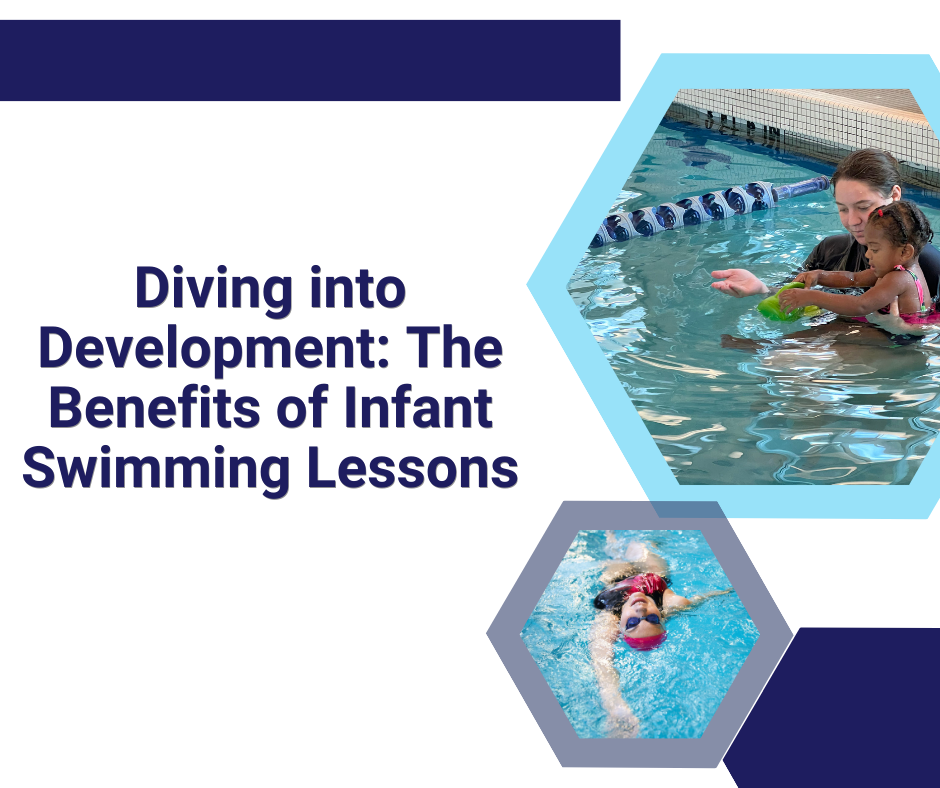
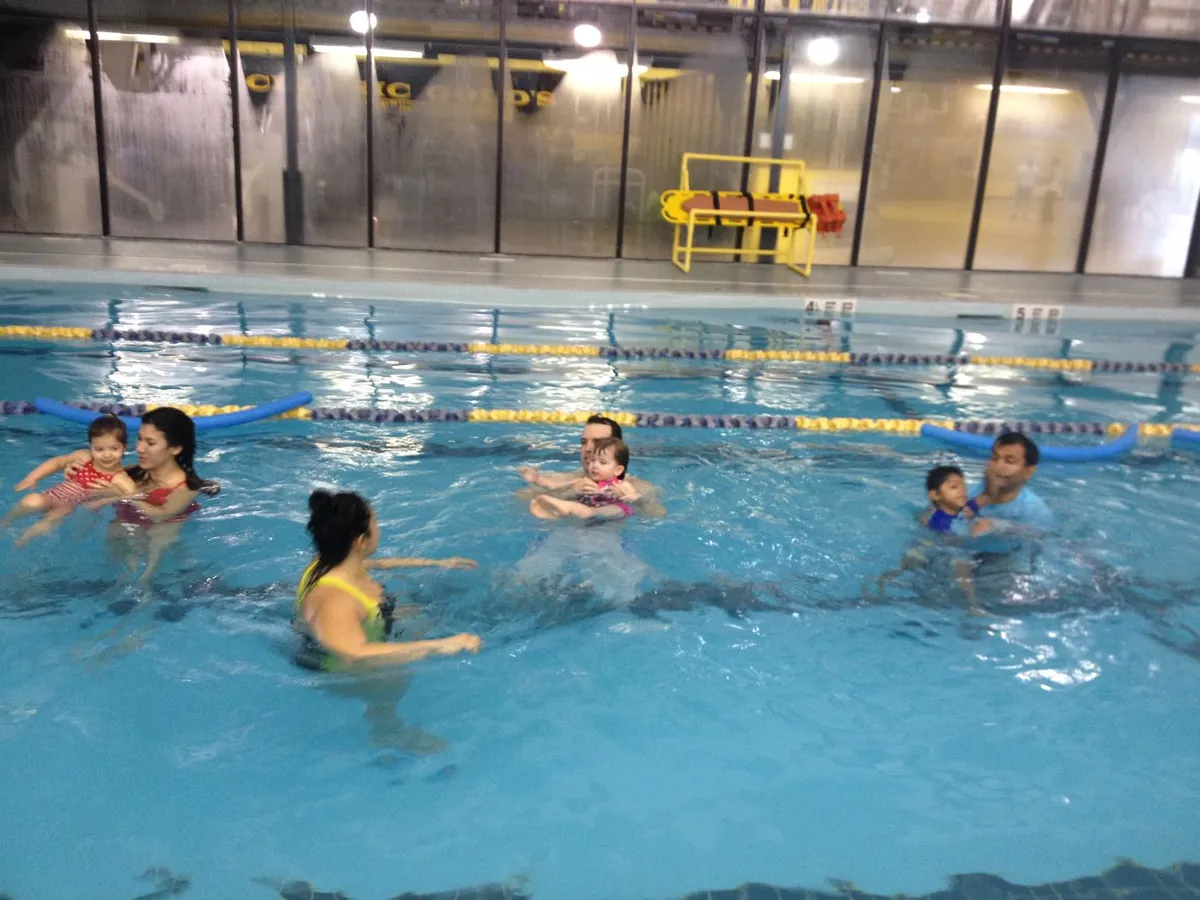
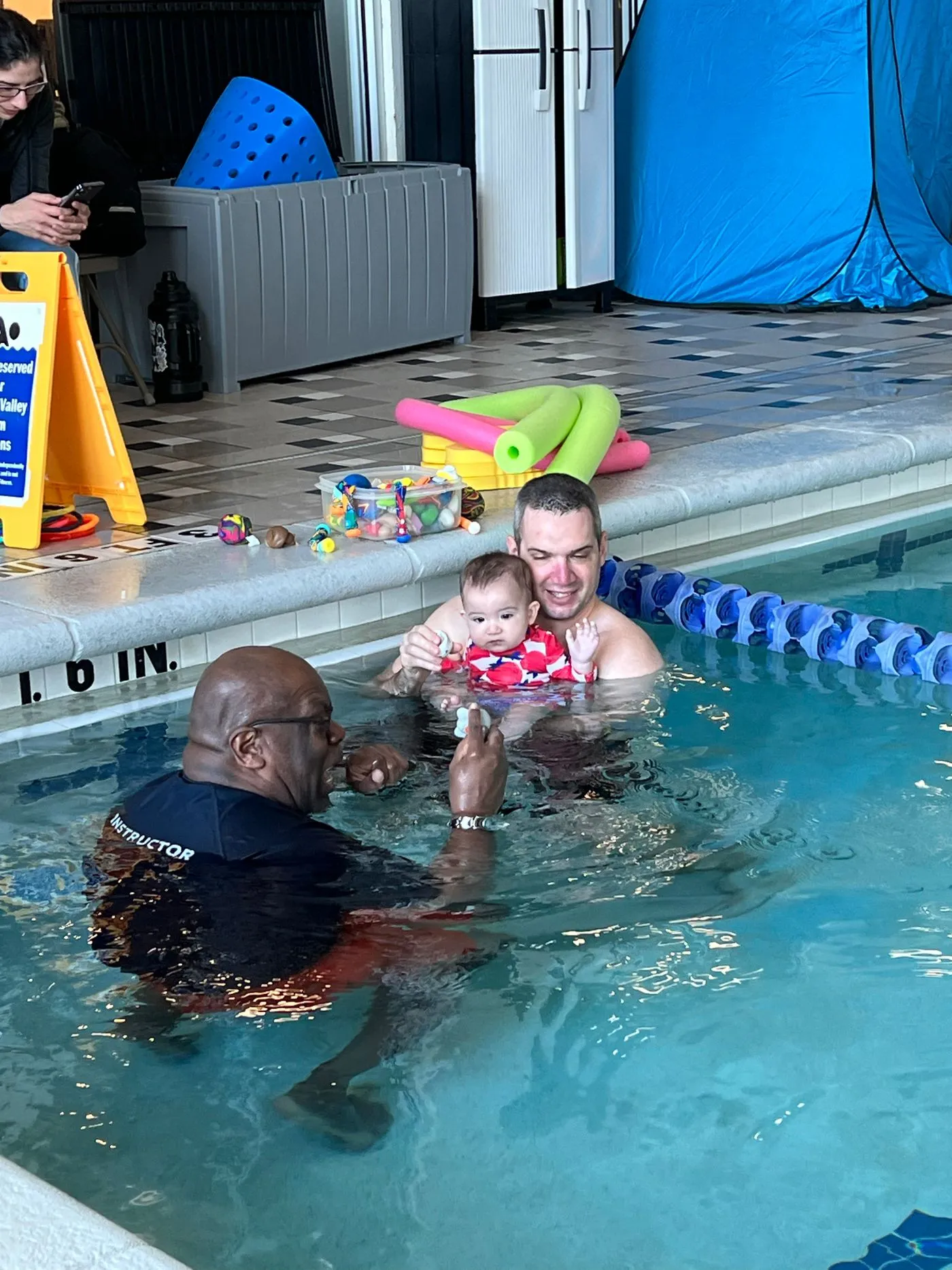
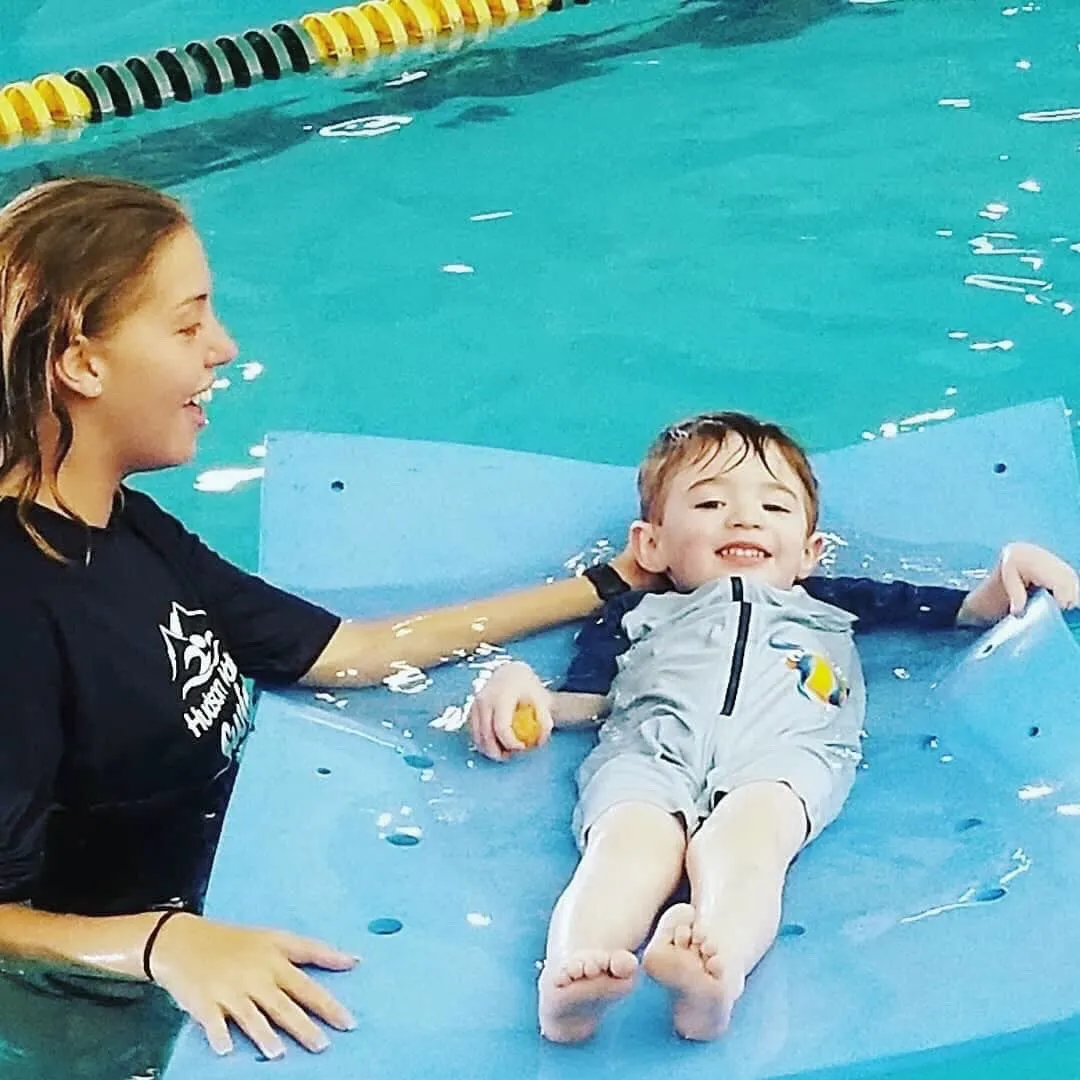
When your baby is 5-6 months old, you can join a parent-child swimming class such as the Pollywog class taught by Hudson Valley Swim. You'll be in the water with your baby during these classes, which are opportunities for them to be around other babies and become comfortable in the water – not learn true swimming skills. Your child probably won't be developmentally ready for formal swim lessons until approximately age 3.
The American Academy of Pediatrics (AAP) says classes for children younger than 3 can be enjoyable and helpful but warns that many parents may become overly confident about how much their child learns in these classes. The AAP advises that an adult be within arm's length – close enough to touch – whenever infants and toddlers are in or near water.
At Hudson Valley Swim, we feel that your child is ready to take swim lessons on their own when they’re able to listen to an instructor for the whole class and follow their directions. Your child should also be comfortable around water before taking swim lessons solo – if they hate bathing or haven’t been around the water much, it might be a good idea to take them to an age-appropriate parent-child class first.
Feel free to ask if you can observe a class before you join. The instructors should run a well-organized class and clearly demonstrate what they're asking parents to do (how to hold a child in the water, for example). There should be a lifeguard on duty at all times.Other things to look for: A warm pool, which makes getting in much more comfortable, and a class with no more than 10 parent-child pairs – so you can hear the teacher and have plenty of room to play in the pool.
Swimming is a great skill to have no matter what age you are.
There are numerous benefits that adults can realize when they are swimmers. Often, doctors have begun advising their adult patients to begin swimming as a safe and enjoyable way to realize the health benefits of routine aerobic physical activity. According to the CDC, just a few hours a week of an aerobic exercise like swimming can decrease the chance of acquiring chronic or even serious health conditions. Here are several reasons that make swimming the ideal sport for adults.
Studies show that weekly swimmers have approximately half the risk of death than their inactive counterparts. Swimming improves many health issues including Type 2 diabetes and heart disease, and even helps to deter certain types of cancer including colon, breast and lung.
People with chronic diseases like rheumatoid arthritis or osteoarthritis benefit from water-based exercises like swimming because they can get the benefits of healthy exercise such as a decrease in pain in a low impact and low injury sport without worsening symptoms or further damaging joints. Swimming is also responsible for maintaining or improving bone health in post-menopausal women.
Like many exercises, swimming increases a feeling of well-being and is a great stress reducer. People who swim regularly also report less depression than non-swimmers of the same age, circumstances and socioeconomic group.
Although one may assume adults have learned how to swim, many have not and are at a great risk any time they participate in a recreational activity that centers around water such as boating, snorkeling or even just enjoying ocean waves. A strong wave combined with a significant undertow can drag a person deep into the water where non-swimmers are in danger.
Swimming is an important sport and should be enjoyed by everybody as it has several health benefits.
Swimming is an important sport and should be enjoyed by everybody as it has several health benefits. Swimming increases the metabolism and helps energize your body and mind. Doctors suggest swimming to patients after surgery because the density of water takes pressure off of their bones and joints which helps them recover without additional pain. It really is the only exercise like it. Additionally, swimming is the only exercise that has an effect on the entire body.
There are many more reasons for swimming, so it is important for children to learn to swim at an early age. It will help you in building a better and healthy life for your children. It will make your children healthier and energetic. Swimming is a skill that can be mastered at any age but is best when taught early on so the swimmer can have a life of enjoyment and exercise.
There are numerous facilities that provide swim lessons in Newburgh and New Windsor as well as throughout all of Orange and Dutchess counties. Pools are equipped with all the safety measures and there are always lifeguards on deck during each class.
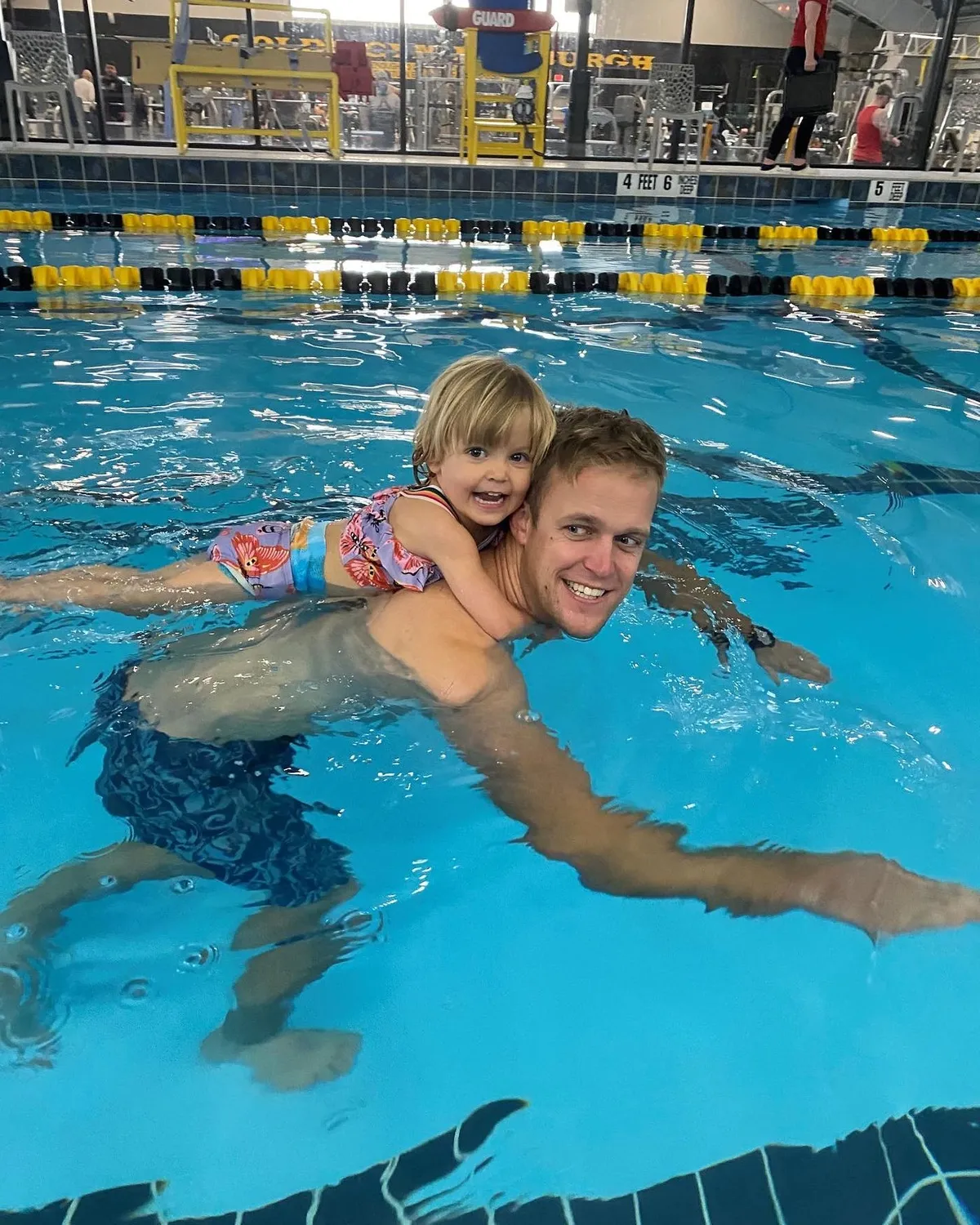
If you have children and they do not know how to swim, then maybe it’s time to teach them. It is a good way to develop and enhance the growth of children, improve their posture and let them have a good time. And while they are learning and refining their aquatic skills, why not do the same for yourself!
Swimming lessons can start as early as six months.
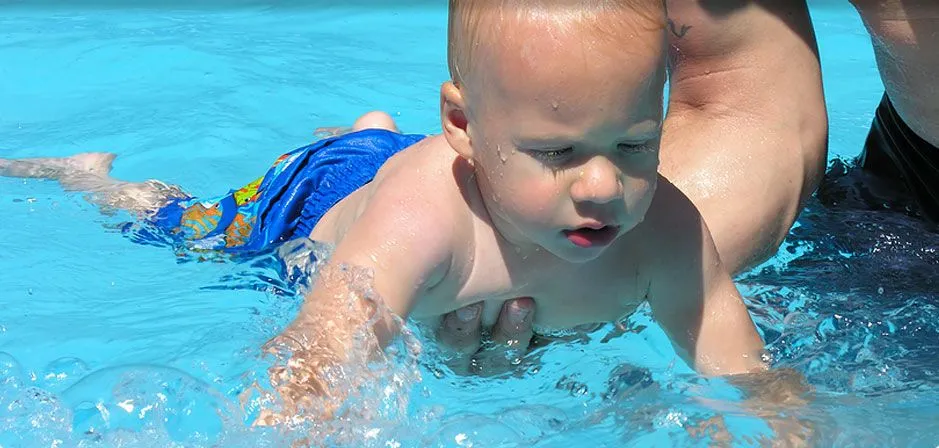
Your baby may not be able to walk but he or she can certainly start to learn swimming skills. At Hudson Valley Swim, our trained instructors use various techniques that we have honed over time to teach kids as young as4- to 5-months and older, swim skills that will stay with them for life. You’ll find some additional benefits to jumping into lessons now, like these Reasons to Start your Baby Swimming Before the Age of 1.
You may be surprised at how naturally babies take to water. After all, they were little swimmers before you even met them. It is only fitting that you immerse them in water to keep them used to it. The sooner you introduce your baby to the water, the easier it is for them to enjoy and celebrate the environment.
Once your child gets a little bit older, toddlers often enter phases where fear of many things becomes more prevalent. By having swimming as a natural environment early on, they will not have any new feelings to become adjusted to, when they start learning to swim.
Maybe you’ve heard about the parents who struggle with bath time, or maybe you hate when your little one becomes agitated with water being poured over his or her head. Want an easy fix? Sign up your baby for swimming lessons! At Hudson Valley Swim, swim lessons teach babies that being in the water is fun and that translates to having a great experience in all water, including in the tub.
Just because your little one isn’t walking doesn’t mean you can’t enjoy the water when you’re at the beach. Sure, you’ll have to make sure your baby is properly protected from the sun. Because you’ve had your little swimmer in swimming lessons, you won’t have to worry that he or she doesn’t know what to do in the water and you can enjoy the splashing and feel of the refreshing water.
It can be a funny sensation for a baby to have their legs dangling in the pool with nothing to stand on, or just being wet in a pool if they haven’t been introduced to it previously. When your baby is in swim lessons and looks forward to playing in the water, you also get to enjoy the water. Babies who aren’t even one yet can learn how to go under water
Swimming is not just for children. Adults enjoy swimming and like to learn to swim.
In our life, we often encounter moments when we think, “I wish, I would have learned this or done that”! Normally, it is never too late to learn new things, especially a skill that can be both enjoyable and lifesaving. One such skill that fits these criteria and is good for any age or gender, is “swimming”.
Swimming offers many advantages to our bodies. It not only is an incredible way to stay healthy and fit, but is also a must-have skill for safety reasons. Swimming is an exercise that uses all of our body muscles together to propel through the water. Hence, swimming is a boon for those fitness lovers who want to burn fat without the sweat. Additionally, no matter whether you are an adult or a teenager, you can drown in water as easily as a child can; unless you have sufficient swimming skills. Thus, you should consider enrolling in a swimming class, regardless of your age.
With an experienced instructor who truly understands your fear and your passion of learning, you can have an enjoyable experience while exercising and learning safety skills. Thus, you should always evaluate the swimming programs in your area to ensure their instructors are trained in your needs, are insured and have class sizes small enough for an enhanced learning experience. If you are looking for a swim school that meets these criteria, consider talking to Hudson Valley Swim.